The efforts to combat Base Erosion and Profit Shifting (BEPS) represent a concerted global initiative to address the challenges posed by multinational enterprises (MNEs) that exploit tax loopholes to shift profits to low-tax jurisdictions. Initiated by the OECD in collaboration with the G20, these efforts underscore the importance of fair taxation in a globalized economy.
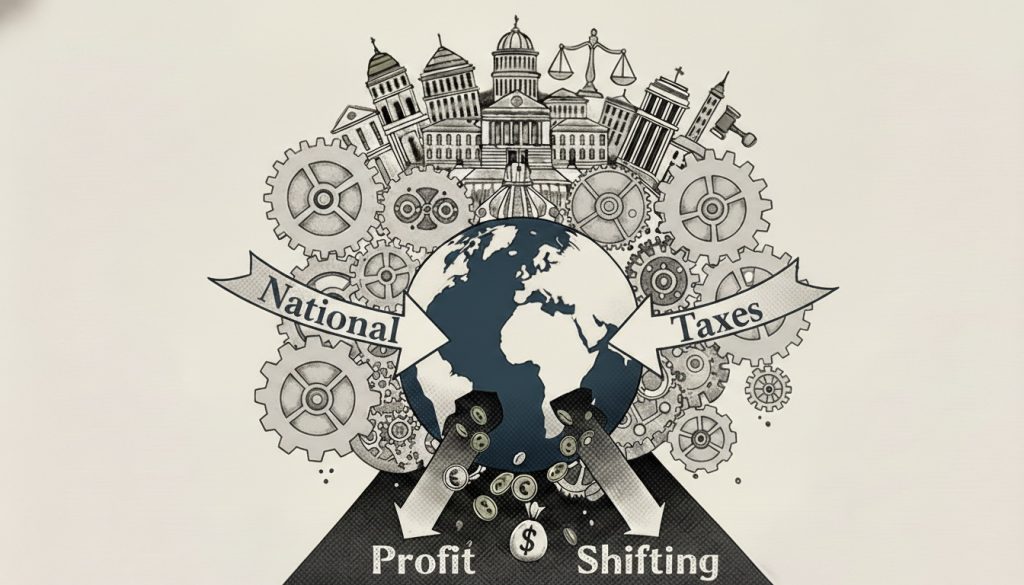
The OECD/G20 Inclusive Framework on BEPS is at the heart of these regulatory efforts, comprising over 140 jurisdictions committed to implementing the BEPS Action Plan. This framework includes minimum standards to prevent tax treaty abuse, enhance transparency, and limit interest deductions. Additionally, the Multilateral Instrument (MLI) allows countries to modify existing tax treaties without lengthy negotiations, speeding up the implementation of anti-BEPS measures. The European Union has also introduced directives such as the Anti-Tax Avoidance Directive (ATAD) and the Directive on Administrative Cooperation (DAC6), which further emphasize the commitment to tackling tax avoidance.
Russia and China present unique challenges and opportunities in the context of BEPS initiatives. As significant players in the global economy, both nations have been at the forefront of efforts to reform international tax standards, albeit from different perspectives.
China has increasingly been integrating BEPS measures into its own tax framework. The country is focusing on enhancing its compliance mechanisms and transparency measures, particularly regarding its burgeoning e-commerce sector. By adopting country-by-country reporting standards, China aims to align its tax practices with global norms while also protecting its own tax base from erosion.
Conversely, Russia has historically relied on a straightforward, flat tax system that appeals to business interests. However, in recent years, the government has acknowledged the necessity for reform in response to international pressures. While Russia is adapting some provisions of the BEPS framework, resistance remains within certain sectors, particularly those benefitting from existing tax arrangements.
The political dynamics in both countries complicate the implementation of BEPS measures. In China, the interplay of tight governmental control and the push for economic growth leads to distinct challenges in compliance and enforcement. In Russia, political instability and sanctions can affect international cooperation, making it difficult for the country to fully engage with global tax reforms.
The Arab world is increasingly active in addressing BEPS concerns, with key players including the United Arab Emirates (UAE), Saudi Arabia, and Egypt.
The UAE has taken significant steps to align its tax policies with global standards, implementing Economic Substance Regulations and introducing a corporate tax in 2023. These measures aim to enhance transparency and curb profit shifting, particularly in its free zones, which attract substantial foreign investment. Saudi Arabia is similarly committed to reform through its Vision 2030 initiative. The country is adopting BEPS measures to ensure multinational corporations contribute fairly to the economy, recognizing that sustainable revenue is vital for growth. Egypt is modernizing its tax system with a focus on digital procedures to improve compliance and align with international norms. The government understands that increasing transparency will boost investor confidence and help combat tax avoidance.
These efforts indicate a growing awareness in the Arab world of the importance of aligning with global tax standards, creating opportunities for capital onshoring as multinationals adjust their strategies to comply with local regulations.
In the broader Asian context, the response to BEPS has varied significantly among countries. Nations like India and Singapore have been proactive in adopting BEPS measures, recognizing the importance of aligning their tax policies with global standards to attract foreign investment. India has implemented substantial reforms to enhance tax compliance and reduce reliance on tax incentives that can lead to profit shifting.
However, countries such as Vietnam and Indonesia face challenges in balancing tax revenue generation with the need to attract investment. These nations are increasingly aware of the risks associated with aggressive tax planning and are beginning to undertake reforms aimed at transparency and fairness. The Asian Development Bank has also emphasized the importance of regional cooperation in implementing BEPS measures, promoting dialogue among member states to share best practices.
Despite the challenges, Asia as a whole is moving towards greater tax cooperation and compliance. Increased participation in the OECD’s Inclusive Framework reflects a commitment to combatting tax avoidance and ensuring that profits are taxed where economic activities occur.
The interplay between politics and finance is crucial in these efforts. Governments have been energetically pursuing reforms while facing pushback from significant financial players — mainly large multinational corporations that benefit from the existing tax regimes. The scramble for tax base protection has led to a tug-of-war between tax authorities striving for revenue and companies lobbying for favorable treatment. For instance, legislative changes aimed at increasing tax transparency have encountered resistance from corporate interests that fear these measures could affect their competitive edge. Tax havens have been utilized not just to evade taxes but also to reinvest savings in innovation. The political landscape is often divided, with some arguing for stringent regulations to protect national interests, while others champion an open environment that fosters investment.
Despite these challenges, there have been some noteworthy achievements related to the onshoring of capital in recent years. Countries have begun to see an increase in domestic investments as regulations tighten around offshore financial practices. Certain nations have introduced tax incentives, encouraging companies to repatriate profits held overseas. The U.S. government’s Tax Cuts and Jobs Act of 2017 aimed to stimulate domestic investment by reducing the tax rate for repatriated earnings, a step viewed as an effort to bring capital back onshore. Many multinationals are adjusting their strategies in response to growing scrutiny over their tax practices. Enhanced reporting standards and expectations around corporate governance have prompted firms to reassess their offshore arrangements, leading to some degree of capital redirection.
The rise of Country-by-Country Reporting (CbCR) has increased transparency, compelling corporations to disclose detailed tax information to tax authorities in countries where they operate. This has made it much harder for firms to use opacity to their advantage, which is another step toward onshoring capital.
In summary, the global regulatory landscape surrounding BEPS is a reflection of an increasingly interconnected world that demands accountability from financial players. Political will, coupled with international cooperation, is critical in convincing multinational corporations to reconsider their offshore strategies. As countries continue to implement these frameworks, the long-term prospects for onshoring capital look promising, though continued vigilance and adaptability will be required to navigate the evolving challenges of global taxation. While achievements in bringing capital back onshore have been made, sustained efforts in regulatory alignment and corporate compliance will be necessary to achieve lasting impact.
For more context read A Decade of the BEPS Initiative – An Inclusive Framework Stocktake Report to G20 Finance Ministers and Central Bank Governors.