Category: Blog

  • The Global Marketplace: Mapping Market Capitalization Across Exchanges

    The Global Marketplace: Mapping Market Capitalization Across Exchanges

    The global landscape of stock exchanges is a mosaic of dynamic financial ecosystems, each influenced by regional economic conditions, regulatory frameworks, and cultural peculiarities. Understanding the interplay of these exchanges provides insight into international trading volumes, investment flows, and market efficiencies across geographical borders.
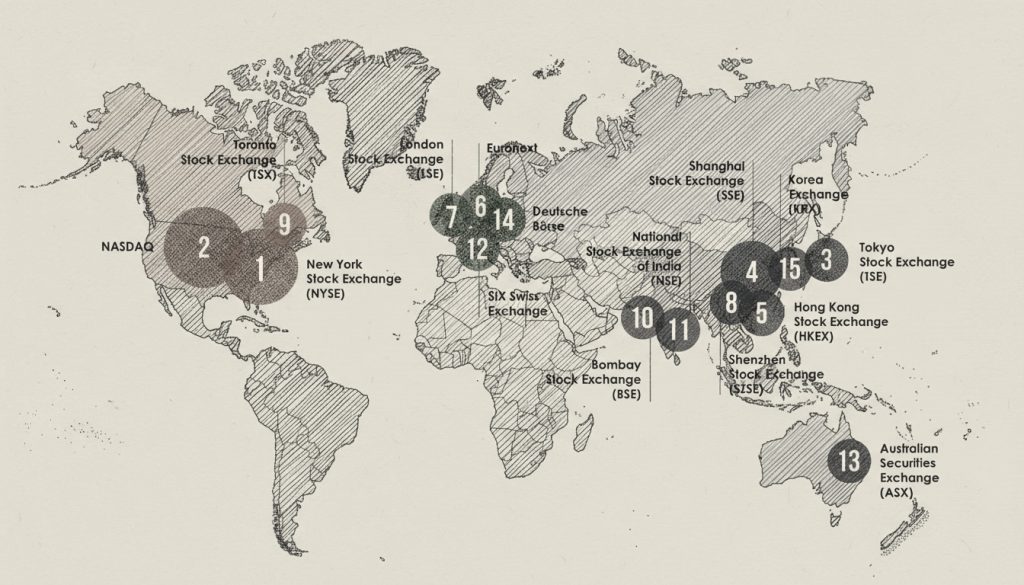
    The United States stands as the titan of global stock trading, predominantly through its two main exchanges: the New York Stock Exchange and the NASDAQ. As of 2025, these exchanges collectively have a market capitalization exceeding $80 trillion, representing approximately 52% of the world’s total stock market value. The U.S. market is characterized by an astounding daily trading volume that frequently surpasses $110 billion. This liquidity attracts foreign investments and provides American companies with immense visibility on the global stage. The U.S. also leads in technological innovation within trading systems, with high-frequency trading algorithms and real-time analytical tools creating a robust trading environment. Furthermore, regulatory bodies like the Securities and Exchange Commission foster transparency and investor protection, fortifying the U.S. as a safe haven for capital investment.

    Europe presents a diverse array of stock exchanges, the most significant being the London Stock Exchange, Euronext, and the Frankfurt Stock Exchange. While the LSE is traditionally seen as a hub for international listings, the European stock markets together account for approximately 12% of global market capitalization. However, trading volumes are often fragmented across multiple exchanges due to varying regulatory regimes and market practices. In the wake of Brexit, the LSE faces new challenges, particularly in retaining and attracting foreign listings; the movement of firms to Amsterdam highlights potential shifts in trading volume dynamics. Despite this fragmentation, innovations such as the MiFID II regulations aim to enhance market transparency and efficiency, potentially propelling higher trading volumes in the future.

    The nascent stock markets of Africa, led by the Johannesburg Stock Exchange and the Nairobi Securities Exchange, represent the lower end of global trading volumes, contributing less than 1% to the world’s stock market capitalization. The JSE, with a market cap of around $1 trillion, remains the continent’s most robust exchange. Despite the challenges posed by economic volatility and political uncertainty, African exchanges are increasingly adopting technological solutions, like mobile trading and blockchain technologies, to enhance accessibility for retail investors. As intra-African trade develops and foreign direct investment flows increase — particularly in natural resources and technology startups — the growth potential for African stock exchanges is significant.

    Asia has several of the largest stock exchanges worldwide, notably the Tokyo Stock Exchange, Hong Kong Stock Exchange, and the Shanghai Stock Exchange. Combined, these exchanges hold roughly 25% of global stock market capitalization, with the HKEX emerging as a key player due to its strategic location for Chinese companies seeking foreign capital. The TSE’s market cap of about $6 trillion signifies Japan’s economic stature, yet trading volumes can be relatively low in contrast to the U.S. and Europe. In contrast, the SSE experiences peaks in trading activity driven by the rapid growth of the Chinese economy, with increasing interest in technology and green energy sectors. However, regulatory constraints and government interventions can create volatility and uncertainty, affecting foreign investment sentiment.

    South America, with its burgeoning economies, presents a mixed bag of stock exchanges, with the B3 in Brazil being the most significant player. As of 2025, B3 has a market capitalization of approximately $1 trillion, making it the largest stock exchange in the region. Despite considerable local trading, South America as a whole only accounts for about 2% of global stock market capitalization. Economic fluctuations, often tied to commodity prices, can lead to volatility, but there is rising interest in technology startups and sustainability, which may signal growth potential for the region’s exchanges. Initiatives aimed at improving investor trust and regulatory consistency could foster an environment ripe for investment.

    The Middle East’s stock exchanges, centered largely around the Gulf Cooperation Council (GCC) nations, have emerged as significant players on the global stage. The Saudi Stock Exchange (Tadawul) stands out with a market capitalization nearing $2.7 trillion (less than 2% of global stock market capitalization), making it one of the largest bourses in the world. The presence of state-owned enterprises, particularly in oil and gas, adds a layer of stability and growth potential. However, geopolitical tensions and economic diversification strategies are influential factors that shape trading volumes in this region. Efforts to attract foreign investment are evident, particularly through market openness initiatives, which make the Middle Eastern markets increasingly attractive for institutional investment.

    In Russia, the Moscow Exchange serves as the primary hub for stock trading, providing access to a wealth of resources, including energy and raw materials. The exchange has a market capitalization of roughly $800 billion. However, the political climate and international sanctions severely affect trading volumes and investor sentiment. While the local economy is resource-driven, venture capital is gradually gaining traction in technology and innovation sectors. The unique blend of resources and challenges makes the Russian stock market an intriguing landscape with potential growth avenues, albeit fraught with risks.

    Lastly, the Australian Securities Exchange, while smaller compared to its global counterparts, comprises significant trading volume with a market cap of approximately $2 trillion, contributing roughly 1% to the global market. The ASX is known for its strong performance in resources and financial services, highlighting Australia’s rich mineral wealth and well-regulated financial environment. Recent advancements in sustainable investing and exchange-traded funds have invigorated local trading volumes, reflecting a growing awareness of environmental, social, and corporate governance principles among investors.

    The web of global stock exchanges underscores a complex interplay of volume, investors’ propensity to take risks, and regional economic health. While the U.S. retains its crown as the epicenter of trading activity, emerging markets — especially in Asia and Africa — are gradually reshaping the dynamics of international investing. As market participants increasingly engage with these diverse financial ecosystems, the potential for higher trading volumes across all regions remains promising, albeit challenged by local intricacies and global economic shifts.

    These regions account for 95% of worldwide stock market capitalization.

  • Unmasking the Hidden: Worldwide Efforts to Tackle Base Erosion and Profit Shifting

    Unmasking the Hidden: Worldwide Efforts to Tackle Base Erosion and Profit Shifting

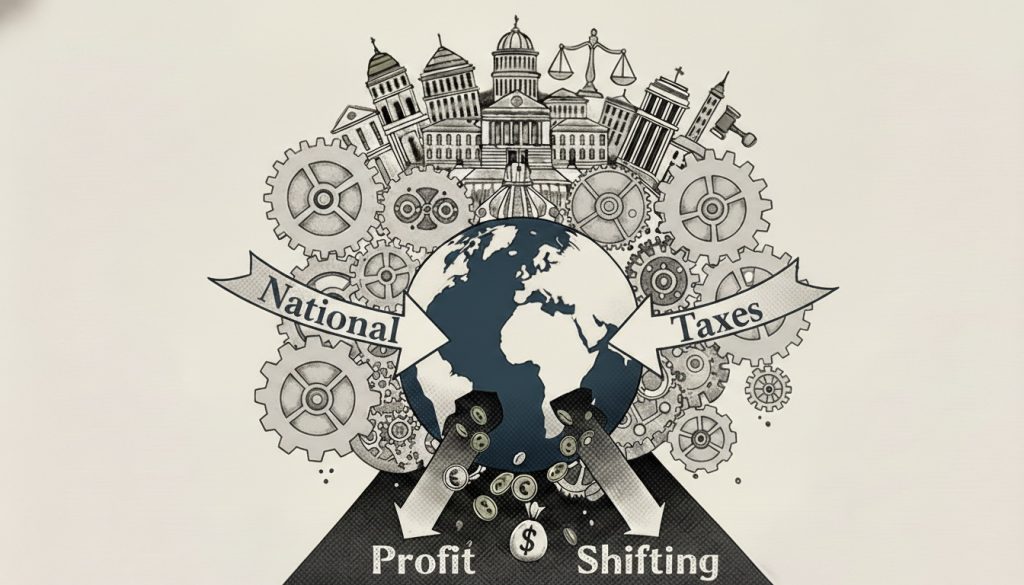
    The efforts to combat Base Erosion and Profit Shifting (BEPS) represent a concerted global initiative to address the challenges posed by multinational enterprises (MNEs) that exploit tax loopholes to shift profits to low-tax jurisdictions. Initiated by the OECD in collaboration with the G20, these efforts underscore the importance of fair taxation in a globalized economy.

    The OECD/G20 Inclusive Framework on BEPS is at the heart of these regulatory efforts, comprising over 140 jurisdictions committed to implementing the BEPS Action Plan. This framework includes minimum standards to prevent tax treaty abuse, enhance transparency, and limit interest deductions. Additionally, the Multilateral Instrument (MLI) allows countries to modify existing tax treaties without lengthy negotiations, speeding up the implementation of anti-BEPS measures. The European Union has also introduced directives such as the Anti-Tax Avoidance Directive (ATAD) and the Directive on Administrative Cooperation (DAC6), which further emphasize the commitment to tackling tax avoidance.

    Russia and China present unique challenges and opportunities in the context of BEPS initiatives. As significant players in the global economy, both nations have been at the forefront of efforts to reform international tax standards, albeit from different perspectives.

    China has increasingly been integrating BEPS measures into its own tax framework. The country is focusing on enhancing its compliance mechanisms and transparency measures, particularly regarding its burgeoning e-commerce sector. By adopting country-by-country reporting standards, China aims to align its tax practices with global norms while also protecting its own tax base from erosion.

    Conversely, Russia has historically relied on a straightforward, flat tax system that appeals to business interests. However, in recent years, the government has acknowledged the necessity for reform in response to international pressures. While Russia is adapting some provisions of the BEPS framework, resistance remains within certain sectors, particularly those benefitting from existing tax arrangements.

    The political dynamics in both countries complicate the implementation of BEPS measures. In China, the interplay of tight governmental control and the push for economic growth leads to distinct challenges in compliance and enforcement. In Russia, political instability and sanctions can affect international cooperation, making it difficult for the country to fully engage with global tax reforms.

    The Arab world is increasingly active in addressing BEPS concerns, with key players including the United Arab Emirates (UAE), Saudi Arabia, and Egypt.

    The UAE has taken significant steps to align its tax policies with global standards, implementing Economic Substance Regulations and introducing a corporate tax in 2023. These measures aim to enhance transparency and curb profit shifting, particularly in its free zones, which attract substantial foreign investment. Saudi Arabia is similarly committed to reform through its Vision 2030 initiative. The country is adopting BEPS measures to ensure multinational corporations contribute fairly to the economy, recognizing that sustainable revenue is vital for growth. Egypt is modernizing its tax system with a focus on digital procedures to improve compliance and align with international norms. The government understands that increasing transparency will boost investor confidence and help combat tax avoidance.

    These efforts indicate a growing awareness in the Arab world of the importance of aligning with global tax standards, creating opportunities for capital onshoring as multinationals adjust their strategies to comply with local regulations.

    In the broader Asian context, the response to BEPS has varied significantly among countries. Nations like India and Singapore have been proactive in adopting BEPS measures, recognizing the importance of aligning their tax policies with global standards to attract foreign investment. India has implemented substantial reforms to enhance tax compliance and reduce reliance on tax incentives that can lead to profit shifting.

    However, countries such as Vietnam and Indonesia face challenges in balancing tax revenue generation with the need to attract investment. These nations are increasingly aware of the risks associated with aggressive tax planning and are beginning to undertake reforms aimed at transparency and fairness. The Asian Development Bank has also emphasized the importance of regional cooperation in implementing BEPS measures, promoting dialogue among member states to share best practices.

    Despite the challenges, Asia as a whole is moving towards greater tax cooperation and compliance. Increased participation in the OECD’s Inclusive Framework reflects a commitment to combatting tax avoidance and ensuring that profits are taxed where economic activities occur.

    The interplay between politics and finance is crucial in these efforts. Governments have been energetically pursuing reforms while facing pushback from significant financial players — mainly large multinational corporations that benefit from the existing tax regimes. The scramble for tax base protection has led to a tug-of-war between tax authorities striving for revenue and companies lobbying for favorable treatment. For instance, legislative changes aimed at increasing tax transparency have encountered resistance from corporate interests that fear these measures could affect their competitive edge. Tax havens have been utilized not just to evade taxes but also to reinvest savings in innovation. The political landscape is often divided, with some arguing for stringent regulations to protect national interests, while others champion an open environment that fosters investment.

    Despite these challenges, there have been some noteworthy achievements related to the onshoring of capital in recent years. Countries have begun to see an increase in domestic investments as regulations tighten around offshore financial practices. Certain nations have introduced tax incentives, encouraging companies to repatriate profits held overseas. The U.S. government’s Tax Cuts and Jobs Act of 2017 aimed to stimulate domestic investment by reducing the tax rate for repatriated earnings, a step viewed as an effort to bring capital back onshore. Many multinationals are adjusting their strategies in response to growing scrutiny over their tax practices. Enhanced reporting standards and expectations around corporate governance have prompted firms to reassess their offshore arrangements, leading to some degree of capital redirection.

    The rise of Country-by-Country Reporting (CbCR) has increased transparency, compelling corporations to disclose detailed tax information to tax authorities in countries where they operate. This has made it much harder for firms to use opacity to their advantage, which is another step toward onshoring capital.

    In summary, the global regulatory landscape surrounding BEPS is a reflection of an increasingly interconnected world that demands accountability from financial players. Political will, coupled with international cooperation, is critical in convincing multinational corporations to reconsider their offshore strategies. As countries continue to implement these frameworks, the long-term prospects for onshoring capital look promising, though continued vigilance and adaptability will be required to navigate the evolving challenges of global taxation. While achievements in bringing capital back onshore have been made, sustained efforts in regulatory alignment and corporate compliance will be necessary to achieve lasting impact.

    For more context read A Decade of the BEPS Initiative – An Inclusive Framework Stocktake Report to G20 Finance Ministers and Central Bank Governors.

  • Cautionary Tales: The Ongoing Influence of 2008 on Today’s Banking Landscape

    Cautionary Tales: The Ongoing Influence of 2008 on Today’s Banking Landscape

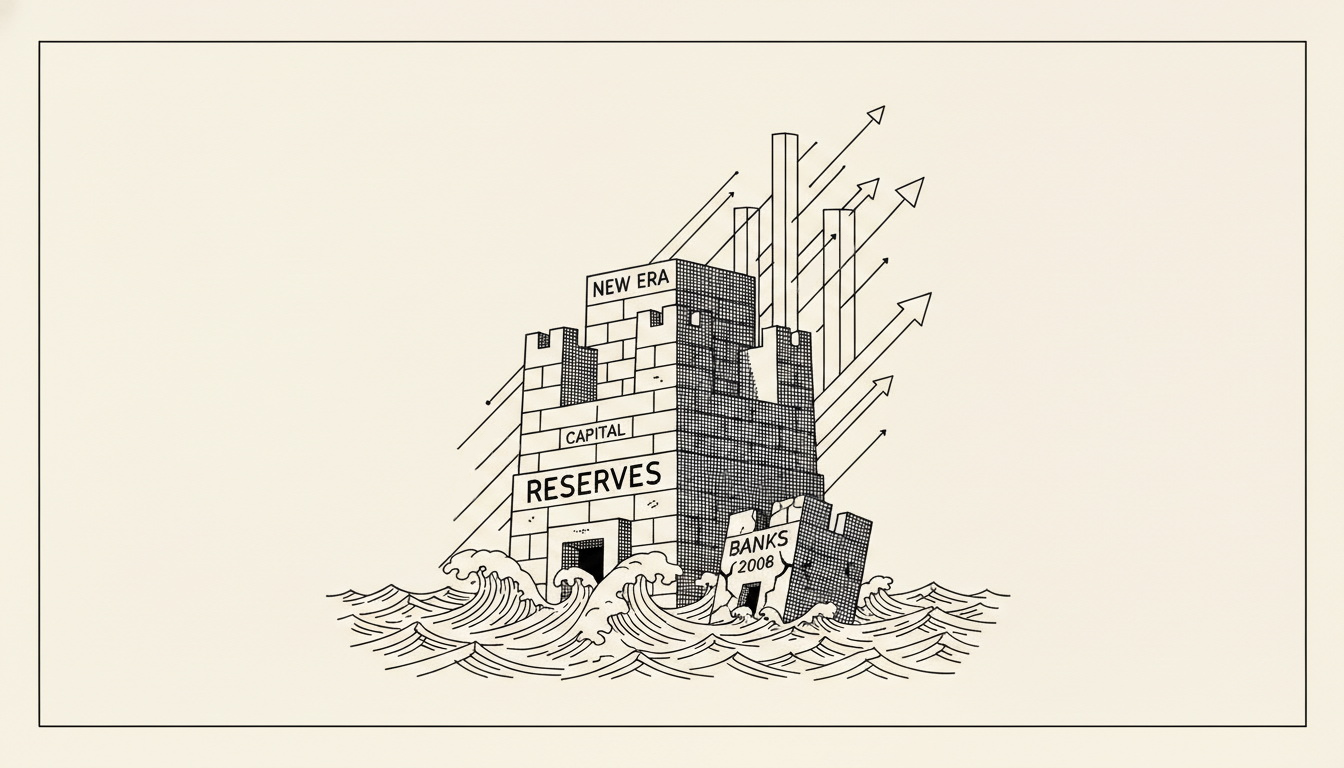
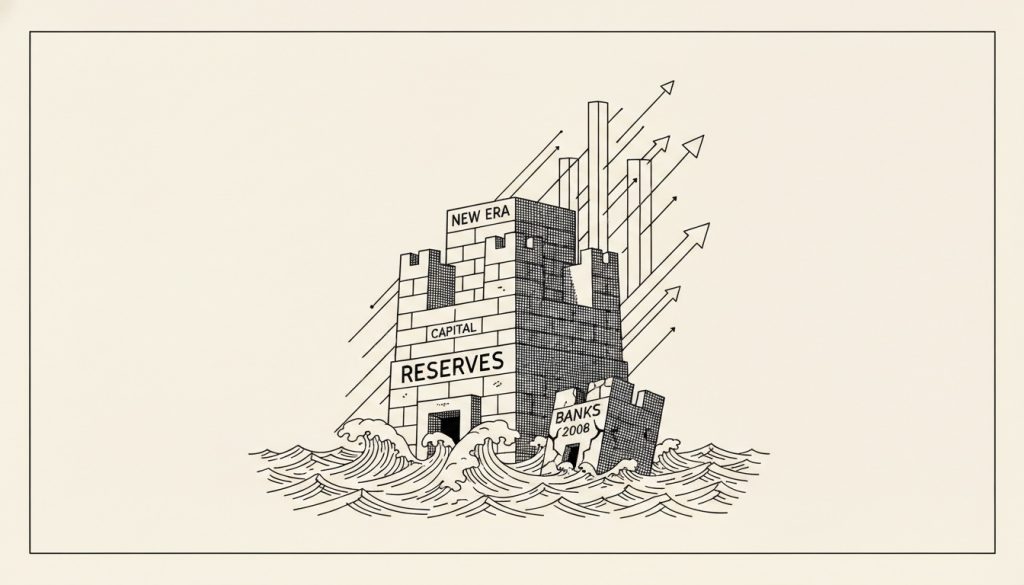
    The 2008 financial crisis stands as a watershed moment in the history of global finance, revealing fundamental weaknesses in the regulatory frameworks that governed banks. The collapse of major institutions not only precipitated a worldwide economic downturn but also led to a reevaluation of the rules that shape capital requirements. Since then, the regulatory landscape has undergone significant transformation, particularly in the United States, where large banks are now subject to stringent capital base requirements that starkly contrast with the pre-crisis environment.

    Before the financial meltdown, banks were primarily governed by a set of regulations established by the Basel II framework, which emphasized risk-weighted capital ratios. Under this framework, capital requirements were calculated based on the perceived risk of assets held on a bank’s balance sheet, allowing institutions some degree of flexibility. However, this approach proved to be critically flawed. Many banks engaged in excessive risk-taking, driven by the allure of higher returns on complex financial products like mortgage-backed securities. The deficiencies in the risk-weighted system led to a situation where banks appeared adequately capitalized on paper while remaining fundamentally vulnerable in practice.

    The extensive reliance on models and assumptions during this period allowed banks to underreport their risks, resulting in an environment where real capital was often inadequate to absorb actual losses. As the crisis unfolded, the consequences were dire: financial institutions crumbled, liquidity evaporated, and taxpayer-funded bailouts became a necessity. The fallout necessitated a radical rethinking of capital requirements and risk management, setting the stage for the reforms that followed.

    In the wake of the crisis, the Basel III framework was introduced, establishing more rigorous standards for bank capital. These regulations aimed to rectify the deficiencies of their predecessors by mandating higher levels of capital that were less reliant on risk weightings. For instance, the introduction of the Common Equity Tier 1 (CET1) capital requirement — set at a minimum of 4.5% — served to ensure that banks maintained a substantive buffer capable of withstanding unexpected losses. Additionally, the introduction of the Stress Capital Buffer (SCB), which varies depending on the results of annual stress tests, has equipped regulators with better tools to gauge an institution’s resilience in economic downturns.

    A further evolution in the regulatory framework has occurred with the designation of Global Systemically Important Banks (G-SIBs). These institutions, deemed too-big-to-fail, face additional capital surcharges that reflect their systemic importance. While the G-SIB capital requirements range from 1% to 3.5%, depending on a bank’s size and interconnectedness, they represent a pivot toward a more precautionary approach, ensuring that the largest entities carry a heavier capital burden to mitigate risks.

    Despite these improvements, the debate over the efficacy of contemporary regulations continues. Some argue that while capital requirements have become more stringent, the underlying structure of the financial system remains susceptible to shocks. Critics assert that the spirit of risk-taking persists, as banks adapt to new regulations with creative financial engineering that can circumvent stringent capital buffers. Moreover, concerns arise over the implications of these heightened requirements on banks’ ability to lend, potentially stifling economic growth.

    Nevertheless, the restoration of confidence among regulators, markets, and the public is palpable. The specter of the 2008 crisis serves as a stark reminder of the consequences of lax oversight, driving regulatory bodies to create an environment that prioritizes stability over short-term gains. The current landscape, marked by a commitment to higher capital standards and enhanced regulatory oversight, represents a significant departure from the reckless practices that characterized the pre-crisis era.

    In conclusion, the transformation of bank capital requirements following the 2008 financial crisis underscores the critical lessons learned upon reflection. The evolution from Basel II to Basel III, with a keen focus on higher capital buffers and systemic risk mitigation, signifies a profound shift in the regulatory mindset. While challenges remain, the changes enacted are emblematic of a financial system striving to balance resilience with the dynamism necessary for growth — a testimony to the enduring legacies of the crisis and the ongoing quest for robust financial stability.

    For more context read the 2025 List of Global Systemically Important Banks (G-SIBs).

    To get the full picture, read Basel III: A global regulatory framework for more resilient banks and banking systems.

  • The Dynamics of International Foreign Exchange Trading and Its Political Implications

    The Dynamics of International Foreign Exchange Trading and Its Political Implications

    International foreign exchange (FX) trading serves as a cornerstone of the global economy, with an average daily turnover of $9.6 trillion reported in April 2025. As the largest financial market in the world, FX trading influences a myriad of global economic activities, making it essential to understand the interplay between FX trading and political dynamics. The FX market primarily occurs over-the-counter (OTC), meaning transactions are conducted directly between parties rather than through centralized exchanges. A diverse array of participants — from multinational corporations and institutional investors to central banks and retail traders — engage in activities ranging from hedging currency risk to speculating on price movements. Key players in this market are concentrated in financial hubs such as the United Kingdom, United States, Singapore, and Hong Kong. The dominance of the UK, particularly London, underscores its historical role as a financial center, capturing 37.8% of global turnover, while the U.S. follows with 18.6%. The burgeoning influence of Asian markets, especially Singapore at 11.8%, marks a significant shift in the global FX landscape, indicating a diversification of power.

    One of the most significant factors shaping the FX market is the predominance of the U.S. dollar. As the world’s primary reserve currency, the dollar accounts for approximately 89% of all currency trades, reinforcing its status as the leading medium of exchange in international transactions. The dollar’s dominance is rooted in its stability, liquidity, and the size of the U.S. economy, which allows it to serve as a standard for global trade and finance. Central banks around the world hold substantial dollar reserves as a safeguard against economic uncertainty. This entrenched position enables the United States to exert considerable influence over global economic policies, allowing for a unique form of monetary diplomacy. The dollar’s strength can affect currency valuations worldwide, making it an essential variable for understanding FX trading dynamics.

    In contrast, the euro, introduced in 1999, has emerged as the second most traded currency in global FX markets. Its prominence is reflected in the approximately 29% share of international currency transactions. The eurozone, which consists of 21 of the 27 European Union member states, represents one of the largest economic areas in the world, making the euro a vital component of international trade and investment. The stability of the euro is supported by the economic strength of member states, particularly Germany and France, which serve as the backbone of the EU economy. The euro’s standing is enhanced by its status as a reserve currency, ranked second to the U.S. dollar, and its acceptance in international transactions and investments.

    The euro benefits from being a regional alternative to the dollar, allowing countries to conduct trade without relying solely on the dollar. This phenomenon has gained importance in times of geopolitical tension when countries seek to reduce their dependence on U.S. financial systems. Furthermore, the European Central Bank (ECB) plays a pivotal role in managing the euro’s value through monetary policies that directly impact inflation and interest rates, influencing global market behavior.

    FX trading does not exist in a vacuum; it is intimately tied to political developments that influence currency valuations and trading behavior. Economic policies, regulatory changes, and geopolitical tensions directly affect investor sentiment, leading to significant fluctuations in exchange rates. Central banks play a critical role in the FX market through monetary policy. For instance, interest rate changes directly impact currency strength — when a central bank raises rates, its currency typically appreciates due to higher returns on investments. Recent actions by the Federal Reserve in the U.S. and the European Central Bank illustrate how tightening monetary policy can lead to increased currency demand. Conversely, political instability or uncertainty can depreciate currency value, as seen with the British pound during the uncertain Brexit negotiations. These currency fluctuations create ripple effects that impact not just national economies but also global markets.

    International conflicts and diplomatic tensions can trigger immediate reactions in the FX markets. For example, military actions in the Middle East often lead to the strengthening of safe-haven currencies like the U.S. dollar and Swiss franc, as investors seek stability amid uncertainty. This dynamic is further complicated by trade wars, which can significantly influence FX trading; tariffs and sanctions disrupt established economic relationships. The trade tensions between the U.S. and China have repeatedly caused shifts in FX markets, where currency valuations serve as indicators of broader economic health and political relationships.

    Another critical aspect with significant political implications is currency manipulation. Governments may intentionally devalue their currencies to gain a competitive trade advantage, making exports cheaper and imports pricier. Such practices can create tensions between trading partners, leading to retaliatory tariffs or sanctions. The U.S. Treasury Department has, at times, designated certain countries as currency manipulators, escalating trade disputes.

    As international FX trading evolves, it becomes increasingly essential to recognize the role of digital currencies and fintech innovations. Central Bank Digital Currencies (CBDCs) and advancements in blockchain technology could fundamentally change the landscape of FX transactions. This transition raises questions about regulatory frameworks, security, and the potential for new geopolitical dynamics as countries adapt to these innovations. Moreover, as economies become more interconnected, the economic policies of one nation can have unprecedented effects on others. The interplay between FX markets and political decisions will remain a focal point of scrutiny and debate.

    In conclusion, the world of international foreign exchange trading serves not only as a mechanism for facilitating global commerce but also as a reflection of political realities and power dynamics. The relationships between economic policies, geopolitical tensions, and currency valuations illustrate the complex web between finance and politics. In our increasingly interconnected world, understanding this relationship is essential for policymakers, investors, and economists alike, as decisions made in one corner of the globe can reverberate through FX markets, impacting economies worldwide.

    For more context read the latest Triennial Central Bank Survey from September 2025.

  • The Venezuelan Oil Deal

    The Venezuelan Oil Deal

    In January 2026, the geopolitical landscape of Latin America witnessed a transformative event as the United States executed its first major transaction of Venezuelan oil, valued at $500 million. This transaction signals not only an economic pivot but also a strategic geopolitical maneuver involving one of the continent’s most resource-rich yet politically unstable nations. With the proceeds being held in offshore accounts — primarily in Qatar — the implications stretch far beyond immediate fiscal concerns, unearthing layers of strategic foreign policy, economic interests, and humanitarian considerations.

    The decision to deposit oil proceeds in Qatari accounts is multifaceted. On one hand, it is rooted in practical considerations of security and access. Venezuela, under the tumultuous governance of Nicolás Maduro, has been encumbered with debts exceeding $170 billion, a legacy of mismanagement and international isolation. By placing Venezuelan oil revenues in Qatar, a nation known for its financial neutrality and stability, the United States aims to buffer these funds from potential seizure or litigation by international creditors. This strategy not only safeguards the funds but lays the groundwork for a system of financial oversight governed by the U.S. Treasury. This oversight includes allocations for humanitarian needs within Venezuela, thus intertwining American interests with the welfare of Venezuelan citizens — a notable pivot from the historically confrontational U.S. stance toward Caracas.

    The broader political implications of this oil deal cannot be overstated. The Trump administration’s explicit aim is not merely economic stabilization but the reinvention of Venezuelan political dynamics. The U.S. seeks to leverage its control over Venezuelan oil revenue as a means to coax political reform and ultimately precipitate the establishment of a democratic government in Caracas. During Trump’s previous tenure, strategies to foster regime change often met with mixed results, significantly impacting U.S. credibility in the region. However, the current deal presents an opportunity to reclaim that narrative by positioning financial aid directly in the hands of Venezuelan citizens, thereby sidestepping the allegations of U.S. imperialism. This approach aligns with the principle of “conditionality,” where economic support is contingent upon political reforms, emphasizing accountability and building a groundwork for potential democratic governance.

    Yet, this strategy does not come without criticism. Democratic lawmakers and various observers have voiced concerns regarding the legality and ethical implications of utilizing foreign accounts in such a manner. They cite the risk of establishing a precedent that could withdraw power from Venezuelan governance, further entrenching U.S. influence in the region. Moreover, the skepticism extends to energy executives from companies such as ExxonMobil and ConocoPhillips. While these corporations are legally entitled to participate in Venezuela’s oil sector, the historical context, including previous nationalizations and the volatility of the Venezuelan economy, raises significant alarms about the viability of such investments.

    The Venezuelan oil deal exemplifies the complex interplay of diplomatic relations predicated on energy needs and economic cooperation. For the Trump administration, navigating its foreign policy amidst rising competition with China requires agile strategies that can adapt to on-the-ground realities in Latin America. Engaging with a nation like Venezuela offers an entry point to reassert American influence in a region where Chinese investment and influence have markedly increased. Additionally, Qatar’s involvement serves a dual purpose. Not only does it act as a custodian for Venezuelan funds, but it also positions itself as a key player in facilitating dialogue between the U.S. and the Venezuelan regime, thus enhancing its international standing as a neutral diplomatic broker.

    The recent Venezuelan oil deal represents a confluence of strategic interests that have long driven U.S. engagement in Latin America. By utilizing foreign accounts to manage oil revenues, the Trump administration navigates a complex landscape of financial security, political reform, and humanitarian assistance. However, the success of this strategy hinges on careful management and transparency, as well as the ability to build trust within the Venezuelan populace. As the situation evolves, the ramifications of this deal will serve as a litmus test for the future of U.S.-Latin American relations, revealing both the potentials for economic reform and the treacherous waters of international diplomacy. In this intricate interplay of economics and politics, one cannot help but wonder whether this approach will redefine the relationship between the U.S. and Venezuela, or if it will merely represent another chapter in a long and tumultuous history.

  • The Yen Carry Trade

    The Yen Carry Trade

    The yen carry trade, long a staple of global foreign‑exchange speculation, thrives on the stark contrast between Japan’s ultra‑low borrowing costs and the comparatively generous yields offered by a basket of higher‑rate currencies. At its core, the strategy is deceptively simple: investors borrow yen — benefiting from the Bank of Japan’s policy rate that has lingered near zero, even slipping into negative territory for years — then convert that cheap funding into assets denominated in currencies such as the Australian dollar, New Zealand dollar, or a selection of emerging market units that routinely post rates above two or three percent. The profit equation is essentially the sum of the interest rate differential and any appreciation of the funded currency against the yen, a relationship that can be expressed as carry = (target‑rate – JPY‑rate) + ΔS/S. When the spread is wide and the target currency climbs, the trade delivers outsized returns; when the yen strengthens or the spread narrows, the same positions can erode rapidly.

    Historical patterns reveal that the trade’s fortunes have been tied to cycles of monetary policy divergence and global risk appetite. In the 1990s and early 2000s, the United States and Europe were tightening while Japan kept rates at the floor, creating a persistent positive carry that attracted massive inflows. The post‑2008 era saw quantitative easing in the United States compress the spread, yet the yen remained the cheapest source of funding, sustaining the strategy’s allure. More recently, the 2013 “taper tantrum” demonstrated how quickly sentiment can shift: as investors fled risk‑on assets, the yen surged, forcing a swift unwind of leveraged positions and sending shockwaves through the broader FX market.

    The mechanics of the trade are amplified by feedback loops. Large inflows into a target currency lift its price, which in turn draws more carry traders — a self‑reinforcing cycle that can inflate both returns and volatility. When the tide turns, the same loop accelerates the outflow, often precipitating sharp, market‑wide corrections. This crowding effect underscores the importance of monitoring not just the raw interest rate spread but also the broader macro environment, including risk‑on/off indices, commodity price trends, and geopolitical developments that can trigger sudden risk‑off episodes.

    Risk, however, is the other side of the coin. Interest rate risk looms whenever the Bank of Japan contemplates tightening or when a target currency central bank cuts rates, narrowing the spread that underpins the trade. Exchange rate risk is ever‑present; a rapid yen appreciation can wipe out months of carry earnings in a single session, potentially triggering margin calls for highly leveraged participants. Liquidity risk becomes acute during market stress, when funding lines may dry up and bid‑ask spreads widen dramatically. Political and geopolitical shocks — sanctions, trade wars, or unexpected election outcomes — can also flip sentiment overnight, turning a profitable carry position into a liability.

    In the recent 2024‑2025 landscape, the BOJ continued to hold a negative short‑term rate (‑0.1 %) and a zero‑percent yield‑curve target, preserving the yen’s status as the world’s cheapest funding currency. Meanwhile, the Reserve Bank of Australia and the New Zealand Reserve Bank maintain policy rates around 4‑5 %, and several emerging‑market central banks sit above 6 %, keeping the raw spread attractive. Yet global bond yields have risen across the board, compressing the differential with major developed market currencies such as the euro, prompting many traders to pivot toward higher‑yielding emerging markets and commodity‑linked currencies. Regulatory scrutiny has also intensified; post‑COVID reforms in several jurisdictions now demand more granular reporting of large FX positions, nudging institutional players to temper overt carry exposure.

    The outlook for the yen carry trade in 2026 reveals a complex and evolving landscape due to several key developments in Japan’s monetary policy and economic conditions. As of early January 2026, Japanese government bond (JGB) yields have seen significant increases, with the 10-year yield rising to approximately 2.12% — the highest since 1999. This dramatic rise is attributed to concerns over Japan’s fiscal trajectory and persistent inflation. Such rapid rate changes challenge previous assumptions of stability within Japan’s low-interest environment, thereby affecting the dynamics of the yen carry trade.